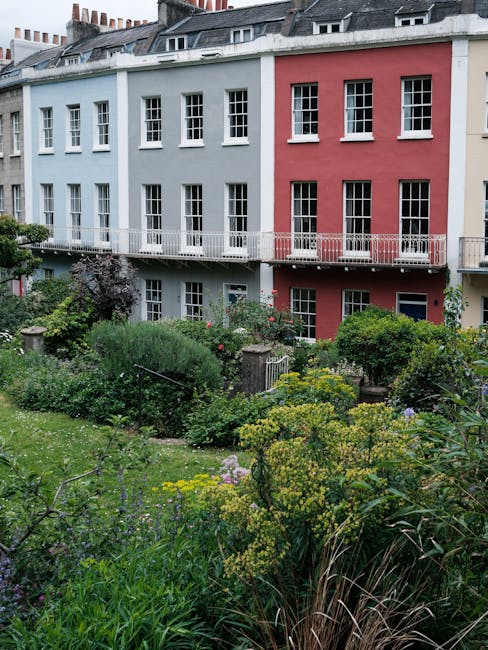
Belgravia Garden Care Guide for Terraced Homes SW1
Terraced homes in Belgravia can have some of the most charming gardens in SW1, but they also come with a few quirks. Narrow plots, shaded corners, overlooked boundaries, awkward access, and the odd bit of pressure from neighbours all shape how the space needs to be cared for. This Belgravia garden care guide for terraced homes SW1 is designed to help you keep a small urban garden looking polished, healthy, and actually enjoyable to use. Not just tidy. Enjoyable.
Whether you are dealing with a compact courtyard, a split-level rear garden, or a front garden that needs to look sharp all year, the basic principles are the same: work with the space, not against it. You do not need a huge lawn or dramatic planting to make a terraced garden feel special. You need consistency, good structure, and a bit of local judgement. Let's face it, a tiny patch that is well cared for often looks better than a larger garden that is left to fend for itself.
Below, you will find a practical, local-minded guide covering maintenance routines, seasonal priorities, common mistakes, tools, compliance considerations, and when professional help makes the most sense. If you are comparing service options or planning a broader refresh, you may also find it useful to review the site's services overview or the more detailed garden maintenance support available.
Why Belgravia garden care guide for terraced homes SW1 Matters
Belgravia terraced homes tend to sit in a very specific kind of garden setting: elegant, compact, often enclosed, and frequently visible from more than one angle. That visibility changes everything. A missed edge, a tired hedge, or a cluttered paving area can stand out more than it would in a suburban plot. In a place like SW1, the garden is often part private retreat, part visual extension of the property.
Space is another big factor. Terraced gardens usually have less room for error. One overgrown shrub can block a path, one poor drainage patch can turn into a soggy mess, and one badly placed container can make the whole space feel cramped. The garden needs a rhythm. A bit of structure. Regular attention rather than occasional rescue work.
There is also the practical side. Many terraced properties in Belgravia have narrow side access, lower rear light levels, basement-level rooms looking onto the garden, or older surfaces that need a gentler hand. If you are not careful, routine work can quickly become unnecessarily disruptive. Proper garden care helps prevent that. It keeps maintenance manageable instead of becoming a big annual panic.
And because these homes often value presentation as much as function, a strong maintenance routine protects more than appearance. It supports plant health, reduces trip hazards, improves drainage, and helps the garden feel calmer. Small space, big difference. That's the truth of it.
How Belgravia garden care guide for terraced homes SW1 Works
Good garden care in a terraced Belgravia property starts with understanding how the space behaves through the year. A north-facing courtyard will not need the same approach as a sunnier rear terrace. A garden with mature climbers and clipped hedging has different needs from one with raised beds and containers. The guide works by breaking care into manageable layers.
First comes structure. This means boundaries, paths, paving, decking, steps, and the main shapes of the garden. In compact spaces, structure does a lot of the visual work. If the hard landscaping looks neat, the whole garden feels more ordered, even before the planting is perfect. If you are planning any changes to surfaces or layout, the landscaping and decking services pages are useful starting points.
Next comes planting care. This includes pruning, feeding, watering, deadheading, checking for pests, and keeping growth in proportion to the space. In a terraced garden, overvigorous planting can become a real headache. A shrub that looks generous in spring can feel like a wall by July. Regular shaping is usually better than heavy cutbacks done once a year.
Then there is surface care. Lawns, gravel, paving, rendered walls, timber edging, and patio joints all need different attention. Some terraces have no lawn at all, which is perfectly fine. In those cases, the job becomes about weed control, sweeping, moss management, and keeping the space crisp. If your garden does include grass, a routine lawn care approach, such as the kind outlined in the lawn mowing service, helps keep the area presentable without overworking the turf.
Finally, there is the operational side: rubbish removal, seasonal tidying, access planning, waste disposal, and safety. A lot of terrace-garden stress comes from the logistics rather than the plants themselves. Where a garden has become cluttered or overgrown, garden clearance can be the sensible reset before ongoing maintenance starts.
Key Benefits and Practical Advantages
A well-managed terraced garden in Belgravia is not just prettier. It is easier to live with. That may sound obvious, but in practice it matters a lot. A good maintenance routine saves time, reduces stress, and means you spend more of the summer actually using the space. Not staring at it through the window thinking, I really should sort that out.
Practical advantages include:
- Better first impressions for guests, tenants, or potential buyers
- Healthier plants through regular pruning, feeding, and watering
- Less risk of slipping, blocked access, or hidden debris
- Improved light and airflow in small enclosed spaces
- More efficient use of limited outdoor square footage
- Lower long-term repair costs by spotting problems early
There is also an emotional benefit that is easy to underestimate. A tidy, balanced garden can change how the house feels. Open the doors on a warm evening and the whole place breathes a bit better. Even in winter, a clean terrace or well-structured courtyard feels calmer than one that has been allowed to slide into mess.
If you are managing a property professionally, the return is even clearer. A predictable care plan helps you avoid those last-minute scrambles before inspections, guests, or viewings. And if you need to compare service levels or budgets, the pricing and quotes page is a sensible next step.
Who This Is For and When It Makes Sense
This guide is for anyone responsible for a terraced garden in SW1 who wants it to look good without turning maintenance into a full weekend project every week. That includes homeowners, landlords, tenants with gardening responsibilities, property managers, and people who have just moved into a Belgravia property and realise the outdoor space needs more than a quick sweep.
It makes particular sense if your garden has one or more of these characteristics:
- Limited width or a long, narrow layout
- Shaded sections from adjacent buildings or boundary walls
- Mature planting that needs steady, controlled pruning
- Old paving, steps, or timber features that need regular checks
- Container planting that dries out quickly in summer
- Neighbours close by, so presentation matters more than usual
It also makes sense when you want to move from reactive tidy-ups to a simple schedule. That is usually the turning point. Once you stop waiting until everything looks tired, the garden becomes far easier to maintain. Truth be told, most small urban gardens do not need heroic effort. They need repeatable care.
If your garden includes taller hedges, climbers, or boundary trees, you may also need specialist support such as hedge trimming or, where appropriate, tree lopping and removal. The key is to match the work to the garden, not force the garden into a one-size-fits-all routine.
Step-by-Step Guidance
Here is a straightforward way to care for a terraced garden in Belgravia without making life complicated. You can use this as a working routine or adapt it around your own planting and layout. Simple is often best, especially in smaller spaces.
- Start with a clear assessment. Walk the garden slowly and look for overgrowth, debris, drainage issues, shading, dead plants, and worn surfaces. Note what is thriving and what is merely surviving.
- Remove clutter first. Clear pots, broken supports, faded furniture, and anything that is just taking up space. A garden can look significantly better before any planting work even begins.
- Tidy the hard surfaces. Sweep paths and patios, remove moss where necessary, check for loose slabs, and clean up edging. In a terraced home, these features carry a lot of visual weight.
- Prune with restraint. Thin congested growth, shape shrubs, deadhead flowering plants, and cut back only as much as the plant can comfortably handle. Heavy-handed cuts can make a small garden feel bare or unbalanced.
- Refresh planting containers and beds. Replace tired seasonal plants, top up mulch or compost if appropriate, and keep colour working in small pockets rather than everywhere at once.
- Check watering needs. Container gardens in SW1 can dry out faster than people expect, especially on sheltered but sunny terraces. Water deeply and less often rather than giving everything a quick splash.
- Review boundaries and screening. Make sure fences, trellis, climbers, and hedging are doing their job without closing the garden in completely.
- Set a maintenance rhythm. A weekly or fortnightly routine is usually enough for many terraced gardens, with more intensive attention at the start of each season.
That final step is the one people often skip. Then, a month later, they are back at square one. A little rhythm goes a long way.
Expert Tips for Better Results
In compact Belgravia gardens, the difference between good and excellent often comes down to small decisions. Nothing dramatic. Just the sort of things that quietly improve the whole feel of the space.
Use fewer, stronger features. A small terraced garden is usually better served by one or two visual focal points than by lots of competing details. That might be a clipped evergreen structure, a well-placed bench, a clean deck edge, or a pair of decent containers. Too many features can make a tiny garden feel busy and oddly smaller.
Choose planting that suits the light. Some Belgravia gardens get lovely filtered light, while others are shady for most of the day. Match plants to conditions rather than trying to fight them. A plant struggling in the wrong corner will always need more attention than one that is naturally suited to the space.
Keep access in mind. Terraced homes often have awkward routes for moving materials, tools, or waste through the property. If you know access is tight, plan maintenance in smaller stages. It is a lot less stressful than trying to do everything in one go. And less likely to scrape a wall, which nobody wants.
Think in layers. In a smaller garden, ground level, eye level, and boundary level all matter. A courtyard might need neat paving, mid-height planting, and a climbing feature to draw the eye upward. That layered approach adds depth without clutter.
Protect the finish of the space. In Belgravia, the garden often sits beside elegant brickwork, stone, painted joinery, or timber details. Avoid harsh cleaning methods where possible. Gentle, regular upkeep usually preserves surfaces better than aggressive seasonal overhauls.
If the garden is being redesigned rather than simply maintained, a professional landscape gardening approach may help you get the layout right before you worry about ongoing care.
Common Mistakes to Avoid
Terraced gardens are forgiving in some ways and unforgiving in others. The main mistakes tend to be very ordinary ones, which is probably why they catch people out.
- Overplanting the space. It is tempting to squeeze in one more pot, one more shrub, one more feature. Then the garden has no breathing room.
- Ignoring shade patterns. A plant that looked fine in spring can decline quickly if it is living in the wrong light level.
- Letting hedges and climbers dominate. In terraced settings, boundary planting can take over fast if it is not trimmed regularly.
- Using the wrong watering rhythm. A daily light sprinkle rarely helps containers as much as a proper soak.
- Skipping waste removal. Tied-up bags of cuttings and debris make even a tidy garden feel unfinished.
- Overcomplicating the design. Small gardens usually benefit from restraint. A bit of discipline helps.
Another common one: people wait for the garden to look "bad enough" before acting. By then, the fix takes twice as long. A quick tidy done early is nearly always easier than a big rescue later on. Simple, really.
Tools, Resources and Recommendations
You do not need a van full of specialist kit to keep a terraced Belgravia garden under control. A thoughtful set of basic tools is often enough. Here is the practical shortlist.
| Tool or resource | Best use | Why it helps in a terraced garden |
|---|---|---|
| Hand pruners and loppers | Shaping shrubs and cutting back smaller growth | Good for precise work where space is tight |
| Stiff broom and dustpan | Patio and path cleaning | Keeps the space looking crisp between deeper cleans |
| Watering can or hose with care | Container and bed watering | Helps avoid over- or under-watering small planting areas |
| Gloves and eye protection | General maintenance and pruning | Useful when handling thorny, woody, or dusty material |
| Compost or mulch | Supporting soil health and moisture retention | Especially helpful for exposed planters and beds |
| Professional maintenance support | Regular care, heavier pruning, and clearance | Saves time when access or scale makes DIY inconvenient |
If your garden has become difficult to manage, the best resource is not more gear. It is a clear plan. For ongoing support, the garden maintenance service can cover the repetitive jobs that keep things stable, while a one-off tidy through garden clearance may be better if the garden has slipped beyond routine upkeep.
One small recommendation that often gets overlooked: keep a simple notes sheet. Nothing fancy. Just a few lines on what needs cutting, what needs feeding, and what looked stressed last month. That tiny habit can save a lot of guesswork later on.
Law, Compliance, Standards, or Best Practice
For most domestic gardens, the main compliance concerns are practical rather than bureaucratic. That said, a Belgravia terraced home often sits close to neighbouring properties, shared boundaries, and sometimes conservation-sensitive streets, so it is worth being careful.
Good practice usually includes:
- Checking whether work near boundaries may affect neighbours or shared access
- Handling waste responsibly and keeping the site clean during work
- Avoiding damage to retained trees, walls, paving, and underground services
- Using appropriate safety equipment for pruning, cutting, and clearing
- Taking extra care with larger trees, heavy branches, or elevated work
If a garden has mature trees or larger woody growth, it is wise to use trained help rather than guess your way through it. Likewise, if surfaces are slippery, access is awkward, or there is a risk of falling debris, safety should come first. The company's insurance and safety and health and safety policy pages are helpful references for understanding how a responsible service approaches these issues.
There are also wider expectations around waste handling and sustainability. A tidy garden should not simply generate a pile of mixed rubbish. If you are clearing a neglected space, think about what can be recycled, composted, or reused. The recycling and sustainability page reflects that approach nicely.
In short, best practice is about being tidy, careful, and proportionate. No drama. Just sensible work done properly.
Options, Methods, or Comparison Table
Not every terraced garden needs the same level of care. Some people only need seasonal help, while others benefit from regular maintenance or a one-off reset. Here is a simple comparison to help you think it through.
| Approach | Best for | Strengths | Limitations |
|---|---|---|---|
| DIY upkeep | Smaller gardens with manageable planting and easy access | Flexible, low cost, good for frequent light tasks | Can become time-consuming; easy to miss structural issues |
| Regular professional maintenance | Busy households, high-visibility gardens, or more complex planting | Consistent presentation, less stress, earlier problem spotting | Ongoing commitment and planning needed |
| One-off clearance and refresh | Overgrown or neglected gardens | Fast reset, easier to restart a routine afterward | Does not maintain results on its own |
| Design-led improvement | Gardens that need a better layout or new features | Improves both appearance and usability | Usually takes more planning and investment |
The best option is often a combination. For example, a homeowner might use clearance once, maintenance regularly, and landscaping when the layout needs a more serious rethink. That is very normal. No need to force one approach into every situation.
Case Study or Real-World Example
Consider a typical Belgravia terraced home with a narrow rear garden, a small paved sitting area, two clipped shrubs, a couple of containers, and a climber running along the boundary. On paper, it sounds simple. In reality, it was starting to feel cramped. The planting had expanded, the paving had collected algae in the shadier corner, and the containers were looking tired by late summer.
The first step was not planting anything new. It was to clear out the clutter, remove dead material, and cut back growth that had started to press in from all sides. Once the structure reappeared, the garden felt twice as large. That is not exaggeration, just what happens when you stop letting the edges disappear.
Next came a small redesign of the planting rhythm: one stronger evergreen feature, fewer loose pots, and more deliberate spacing. The paving was swept regularly, the climber was trained rather than left to roam, and the garden moved onto a straightforward maintenance plan. After that, the space was easier to use and much easier to keep in shape.
The most useful lesson? The garden was never the problem. The routine was. Once the routine improved, everything else became simpler. That happens a lot with terraced homes.
Practical Checklist
Use this checklist before the season changes or before you invite people over and suddenly notice every little thing, as people always do.
- Check paths, steps, and paving for slipping or loose sections
- Remove dead leaves, broken pots, and general clutter
- Trim back plants that are crowding the garden or blocking light
- Inspect hedges, climbers, and boundary growth for overspill
- Refresh containers with healthy soil and suitable seasonal plants
- Water deeply and consistently, especially in warm or dry spells
- Look for signs of pests, disease, or stressed plants
- Confirm waste is bagged, sorted, and removed properly
- Review whether any larger jobs need professional help
- Set a simple follow-up date so the work does not slide again
If you want a reliable ongoing routine, it is often worth pairing your own light upkeep with professional support. A service like garden maintenance can help keep standards consistent, especially when the garden has a lot of visible detail.
Get a free quote today and see how much you can save.
Conclusion
A terraced garden in Belgravia does not need to be large to be excellent. In fact, smaller SW1 gardens often reward attention more than scale. If the layout is tidy, the planting is balanced, and the maintenance rhythm is sensible, the whole space feels more generous and more lived in. That is really the goal.
The best approach is usually steady and realistic: keep the garden clear, prune thoughtfully, respect the light, and do not let small problems drift into bigger ones. Whether you are looking after the space yourself or bringing in support for the heavier tasks, the right care plan makes the garden easier to enjoy and much easier to live with.
And honestly, that is the nice part. A good garden does not shout for attention. It quietly makes the house feel better every single day.
Frequently Asked Questions
What is the best garden care approach for a Belgravia terraced home?
The best approach is usually regular, low-drama maintenance. In a terraced Belgravia garden, that means keeping the structure neat, pruning before growth gets out of hand, and choosing planting that suits the available light and space.
How often should a small SW1 terraced garden be maintained?
Many gardens benefit from light weekly or fortnightly attention, with more detailed work at the change of seasons. If the garden has fast-growing hedges, climbers, or containers, it may need checking more often.
Do terraced homes in Belgravia usually need professional garden maintenance?
Not always, but professional help is often useful where access is awkward, planting is mature, or the space needs to stay looking consistently polished. It can also be the easier option for busy households.
What are the main problems with terraced gardens in SW1?
The most common issues are limited space, shade, drainage quirks, overgrown planting, and surfaces that show clutter quickly. Small mistakes are easier to notice in these gardens, so regular attention matters.
Can a terraced garden in Belgravia still look good without a lawn?
Absolutely. Many of the best urban gardens are lawn-free. Paving, containers, clipped evergreens, gravel, and layered planting can create a very elegant result, sometimes better than grass in a tight space.
When should I use garden clearance instead of routine maintenance?
Use garden clearance when the space has become too overgrown, cluttered, or neglected for regular maintenance to be enough. It gives you a clean starting point before you return to a normal care routine.
What kind of plants work well in smaller Belgravia gardens?
Plants that stay in proportion to the space and suit the light levels usually work best. Evergreen structure, shade-tolerant planting, and well-behaved climbers are often practical choices, though the exact selection depends on the garden's conditions.
Is pruning important in a terraced home garden?
Yes, very. Pruning keeps the garden open, prevents plants from dominating the space, and helps improve light and airflow. In smaller gardens, it is one of the most important maintenance tasks.
How do I keep a terraced garden looking tidy between visits?
Focus on the visible surfaces first: sweep paths, remove dead material, keep pots grouped neatly, and trim anything that starts to spill into the walkway. Small, regular jobs make a big difference.
What should I ask before booking garden maintenance in Belgravia?
Ask what is included, how often visits are recommended, how waste is handled, whether the team is insured, and how they deal with access or safety concerns. Those practical details matter more than glossy promises.
Are decking or landscaping changes worth considering for a terraced garden?
They can be, especially if the garden feels awkward or underused. Thoughtful landscaping or decking can improve access, structure, and usability, but it should be planned around the space rather than added for its own sake.
How can I get started if my garden has got a bit out of hand?
Begin with a basic clearance, then reassess what is worth keeping. Once the garden is visible again, a simple maintenance plan becomes much easier. If you need support, reviewing the available service options is a sensible next move.
If you are ready to bring order back to a Belgravia terrace, start small, stay consistent, and build from there. A calm garden has a way of calming everything around it, and that is never a bad thing.