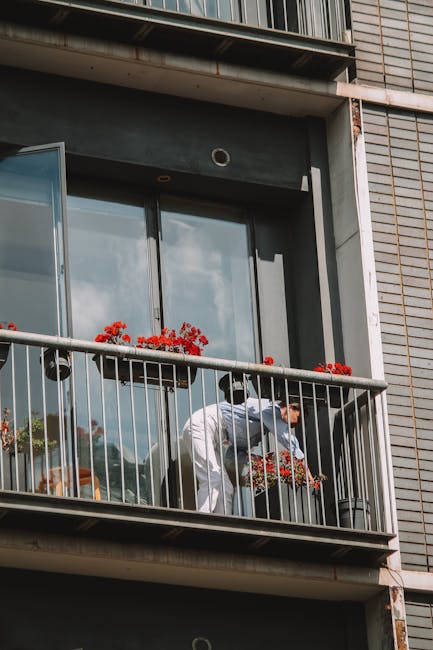
Gardeners for Westminster flats with difficult access solutions
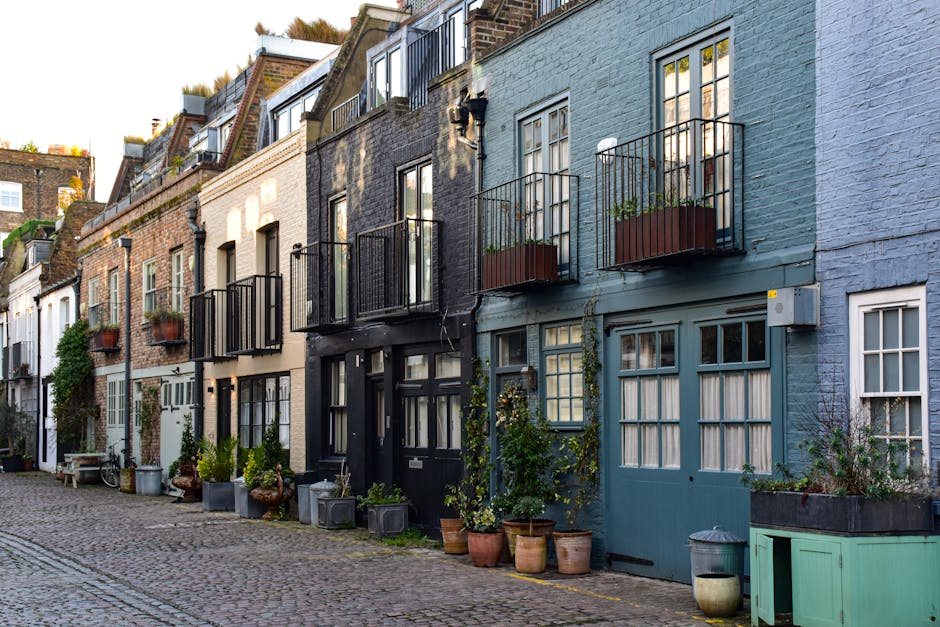
Working on a flat in Westminster is rarely as simple as carrying a few plants up the stairs and getting on with it. You may be dealing with narrow hallways, lift restrictions, shared entrances, awkward balcony layouts, permit-controlled access, or a roof terrace that looks lovely but is a nightmare to reach with tools and soil. That is exactly where Gardeners for Westminster flats with difficult access solutions come in. The right approach keeps the job tidy, safe, and realistic, whether you need regular upkeep, a one-off clearance, or careful planting in a tight urban space.
This guide explains what difficult access garden work actually involves, how professionals plan around the constraints, what results you can expect, and how to avoid the common mistakes that cause delays, mess, or extra cost. It is written for people who want the job done properly, not just "managed somehow".
In Westminster, where space is tight and buildings can be old, elegant, and just a bit awkward, good planning matters more than brute force. Truth be told, that is usually the whole game.
Why Gardeners for Westminster flats with difficult access solutions Matters
Flat gardens in Westminster are often different from the sort of garden people picture first. They may be courtyard spaces shared with neighbours, compact terraces above street level, or private balconies with strict weight limits and limited movement. Sometimes there is no direct rear access at all, which means every pot, bag of compost, and tool has to be moved through the building without upsetting residents or damaging surfaces.
That matters for three very practical reasons. First, access affects what can be done at all. A big, heavy piece of planting timber might be fine in a house garden with a side gate, but impossible through a narrow lift or a communal corridor. Second, access affects cost and time. A job that sounds small can take far longer if everything has to be hand-carried in stages. Third, access affects safety. Carrying sharp tools, wet foliage, or heavy waste through tight spaces is where accidents and complaints tend to happen.
For landlords, managing agents, and homeowners alike, the goal is not just a neat finish. It is a smooth process that respects the building, the neighbours, and the schedule. If that sounds like a lot, well, it is a bit. But done well, it feels effortless on the day.
There is also a trust element. A gardener who understands access planning is more likely to think ahead about floor protection, waste removal, noise, and timing. That is where related services such as garden maintenance, garden clearance, and services overview can become relevant, because difficult access usually affects the whole job, not just one task.
Practical summary: difficult-access garden work in Westminster is mostly about planning, protection, and sequencing. If those three are right, the rest tends to follow much more cleanly.
How Gardeners for Westminster flats with difficult access solutions Works
The process usually starts with a site assessment. That can be done from photos, a video call, or an in-person visit, depending on how complex the space is. The aim is to understand the route in and out, the size of the working area, the type of surfaces to protect, and the level of disruption that would be acceptable. A good gardener will ask questions about stairwells, lift access, loading points, timing restrictions, and whether anything needs to be moved by hand rather than wheeled in.
From there, the work is planned around the most efficient sequence. For example, pruning and cutting may be done first so waste can be bagged and removed in a controlled way. Then planting, feeding, or turf care can follow. If the area is a balcony or roof terrace, weight distribution and drainage become part of the conversation too. Nobody wants a corner of decking overloaded with wet compost and clay pots. That is the sort of mistake that gets expensive quickly.
In many cases, the gardener will bring compact tools rather than full-size equipment. A smaller mower, hand tools, folding saws, lightweight pruning gear, buckets, sacks, and protective sheets can all make a huge difference. For some jobs, the answer is not "more machinery" but "better choreography". Move the waste in smaller loads. Protect the flooring early. Keep the route clear. Simple, but easy to get wrong.
It also helps when the service is coordinated with other trades or building staff. If the concierge needs notice, or the lift can only be booked for a certain window, that timing should be built into the job. Westminster buildings can be wonderfully efficient, but they can also have rules, and rules have to be respected whether you like them or not.
Where the garden has become overgrown or cluttered after a period of neglect, it may make sense to begin with clearance before switching to routine care. In that situation, a combination of garden clearance and lawn mowing may be the right order, while shrubs or screens may need hedge trimming or more considered landscape gardening.
Key Benefits and Practical Advantages
When difficult access is handled properly, the benefits are bigger than people expect. The obvious one is that the job actually gets done. But the less obvious benefits are often the ones clients appreciate most later on.
- Less disruption: careful planning reduces noise, mess, and the number of trips through shared areas.
- Better protection for the building: surfaces, walls, and doors are less likely to get scuffed or stained.
- Safer handling: smaller loads and sensible routes reduce the risk of slips and dropped items.
- More reliable scheduling: once access is mapped, the work can usually be completed with fewer surprises.
- Cleaner outcomes: a space that is hard to reach often gets neglected; a well-run visit resets it properly.
- Better long-term maintenance: regular visits prevent the garden from turning into a heavy, awkward project every time.
There is also a quality benefit. Gardens that are awkward to reach can tempt people into rushed fixes, but that usually leaves poor plant placement, compacted soil, or awkward storage of tools and pots. A more measured approach creates a space that is easier to live with day to day. Small flat, small garden, small access route? Fine. The result can still feel calm and finished.
For landlords and agents, the practical advantage is consistency. A dependable process means less chasing, fewer complaints, and a clearer record of what has been done. For residents, it means you are not spending your weekend moving bags of soil through the lobby. Honestly, that alone can feel like a win.
Who This Is For and When It Makes Sense
This kind of service is ideal for people living in apartments, maisonettes, and managed developments where access is not straightforward. It is especially useful if your outdoor space is above ground level, reached through the property rather than from the street, or shared with neighbours who would rather not see a wheelbarrow clattering through the corridor at 8 a.m.
It also makes sense if your garden needs regular light maintenance but the access is awkward enough that every visit becomes a mini logistics exercise. In those cases, a specialist who understands the building layout can save a lot of frustration over time.
Typical situations include:
- roof terraces with limited lift access
- balconies that need careful plant care and seasonal refreshes
- courtyard gardens behind secure entrances
- communal developments with timed access windows
- older Westminster buildings with narrow staircases
- properties where garden waste must be carried through shared internal routes
It is also relevant when your outdoor space is becoming too much to manage on your own. Maybe the ivy has taken over a wall, the hedge is pressing against a boundary, or the lawn has become more moss than grass. That is often the point where professional help becomes less of a luxury and more of a practical decision. For larger or more stubborn issues, related work like tree lopping and removal or landscaping may be needed alongside routine care.
And yes, sometimes the issue is simply that you can reach the garden, but barely. That counts too.
Step-by-Step Guidance
1. Map the access route before any work begins
Start with the route from street to garden. Check gates, corridors, staircases, lifts, floor protection needs, and whether there are any keyholding or concierge arrangements. The more honest this assessment is, the fewer awkward moments happen later.
2. Separate the job into stages
A difficult-access space often works better when the job is broken into smaller tasks. Clear waste first if needed. Prune before planting. Repair access-sensitive items before heavier work. This avoids carrying the same things in and out twice, which sounds obvious until you are halfway through the day and realise it is not.
3. Choose the right tools for the route, not just the garden
Tools should suit the access as much as the planting. Lightweight equipment, compact cutters, foldable tools, and manageable waste sacks can be far more practical than larger alternatives. The route matters as much as the task.
4. Protect the building and shared areas
Use dust sheets, floor protection, and careful handling wherever needed. If the path includes polished floors, tight turns, or lift thresholds, protection is not optional. It is the difference between a tidy job and a complaint waiting to happen.
5. Work with a clear waste plan
Where will cuttings go? How will bulky waste be bagged? Will it need to be taken out in stages? Good waste planning saves time and keeps the job calm. If the garden has become heavily cluttered, a dedicated clearance phase may be needed before regular upkeep can resume.
6. Finish with a realistic maintenance plan
Once the space is under control, agree how often it should be revisited. A small flat garden in Westminster can become unmanageable quickly if it is left too long. Even modest routine visits can prevent another big reset later on.
If you are unsure how to structure ongoing care, start by looking at a service mix that includes maintenance, clearance, and any specialist task the space actually needs. That is usually more effective than trying to squeeze everything into a single visit and hoping for the best.
Expert Tips for Better Results
From a practical point of view, the best results usually come from a few small decisions made early. Nothing glamorous. Just the unglamorous bits done properly.
- Ask for a photo-based assessment if access is tight. A few clear pictures of doors, steps, balconies, and waste routes can save time.
- Tell the gardener about fragile surfaces. Stone, timber, composite decking, and older paintwork all need different handling.
- Think about watering as well as access. If carrying water is awkward, plan plants and pots accordingly.
- Choose lower-maintenance planting where the route is difficult. In plain English: the more awkward the access, the more sense low-fuss planting usually makes.
- Schedule work at building-friendly times. Morning access might be easier, but quiet hours and neighbour comfort matter too.
- Leave a bit of slack in the plan. Westminster buildings can be full of little delays. A lift out of service, a locked gate, a delivery in the way... it happens.
A small but useful tip: if waste removal is likely to be a major part of the job, agree that up front rather than treating it as an afterthought. It sounds mundane, but that is where a lot of friction creeps in.
Also, if the garden is visible from living areas, think about how the work will look once finished from inside the flat. A terrace that looks neat from the doorway but cluttered from the sofa is not really done, is it?
Common Mistakes to Avoid
The most common mistake is underestimating access. People see a small outdoor area and assume the job will be quick. Then they remember the narrow lift, the shared corridor, and the fact that a bag of compost is heavier than it looks. That mismatch causes delays and, sometimes, frustration on both sides.
Another mistake is choosing oversized tools for a space that cannot realistically take them. A large mower or heavy clearance equipment may be fine in principle but useless if it cannot be moved safely. Bigger is not always better. In tight buildings, smaller and smarter usually wins.
It is also easy to forget about the people who live or work around the garden. Noise, access routes, and cleaning up after the job are not extras. They are part of the service. If that sounds obvious, good. It should be.
- Do not assume a normal garden routine will work in a flat with restricted access.
- Do not leave access checks until the team arrives on site.
- Do not forget about waste disposal logistics.
- Do not ignore building rules or concierge instructions.
- Do not overload balconies, terraces, or narrow service routes.
One more, and it is a big one: do not keep postponing maintenance because access is difficult. Neglected spaces get harder to manage. A little attention early is usually much cheaper than a heroic rescue later.
Tools, Resources and Recommendations
A difficult-access job does not need fancy equipment, but it does need the right kit. In practice, the most useful tools are often the least dramatic ones.
- compact hand tools for pruning, weeding, and edging
- lightweight sacks or containers for waste collection
- folding or modular tools that are easy to carry upstairs
- protective sheets for floors and communal areas
- small pruning saws and secateurs for controlled cutting
- portable watering cans or small hose arrangements where appropriate
- simple plant supports for pots and terrace beds
Recommendations depend on the space. A balcony may need container-friendly planting and drainage-aware setup. A courtyard may benefit from regular tidy-ups and seasonal refreshes. A roof terrace may need more careful planning around weight, wind exposure, and storage. If the garden is part of a larger property refresh, broader landscape gardening work or finishing elements such as decking services may be worth discussing.
For larger outdoor clear-outs, the most practical recommendation is simple: use a staged approach rather than trying to do everything in one frantic push. Gardens do not really respond well to panic. Humans barely do either.
Law, Compliance, Standards, and Best Practice
When garden work takes place in flats or managed buildings, compliance is often more about common-sense best practice than complicated rules. Still, the basics matter. Safe handling, clear communication, appropriate insurance, and respect for building access procedures should all be part of the job.
In a shared residential setting, it is sensible to think about three layers of responsibility. First, the property itself: floors, walls, doors, lifts, and communal spaces should be protected. Second, the people using the building: neighbours, concierges, and residents should not be inconvenienced more than necessary. Third, the work site: tools, waste, and movement should be managed safely.
Where trees, tall shrubs, or potentially unstable growth are involved, extra care is needed. That does not mean every job becomes technical or risky, but it does mean a gardener should know when a task needs a more cautious approach. For any work involving height, heavy lifting, or awkward waste removal, safe systems and suitable insurance are sensible expectations. You do not want guesswork in a stairwell.
It is also worth checking how a provider handles privacy, payments, complaints, and sustainability. Those may sound like office topics, but they matter when you are trusting someone into a building with shared access. If those policies are clearly set out, it usually signals a more organised operation. Relevant pages such as insurance and safety, health and safety policy, payment and security, and recycling and sustainability can help reassure you about those practical standards.
Best practice in one line: if the route is awkward, the plan should be simple, documented, and safe.
Options, Methods, or Comparison Table
Not every difficult-access garden needs the same solution. The right method depends on the layout, the size of the space, and how much ongoing care it needs.
| Method | Best for | Advantages | Watch-outs |
|---|---|---|---|
| One-off clearance | Overgrown terraces, neglected balconies, bulky waste | Fast reset, visible improvement, easier to plan around access | Can uncover hidden issues that need follow-up work |
| Routine maintenance visits | Small flats, managed communal gardens, container planting | Prevents build-up, keeps access manageable, more predictable | Needs consistency; neglect creeps back in quickly |
| Staged works | Complex access routes, shared buildings, mixed tasks | Reduces disruption, spreads labour, better for larger jobs | Requires careful coordination and follow-through |
| Combined maintenance and landscaping | Spaces needing both upkeep and redesign | More efficient than separate visits, better long-term flow | May need more time and clearer planning up front |
If you are weighing options, the key question is not just "what needs doing?" It is "what can be done cleanly through this access route without creating extra problems?" That question usually leads to the right answer faster than anything else.
Case Study or Real-World Example
A resident in a Westminster apartment block wanted help with a small terrace garden that had slowly become cluttered after a busy winter. The terrace itself was fine, but access was awkward: the lift was small, the entrance route crossed a shared lobby, and there was a narrow turn at the top of the staircase that made carrying larger items tricky.
The work was handled in stages. First came a short assessment and a check on what could be safely moved through the building. Then the team started with cut-back work and waste bagging, keeping loads small enough to move cleanly. The flooring through the route was protected, and the final planting was done only once the heavy bits were out of the way.
The result was not dramatic in a flashy way. Better than that, actually. It looked calm. The terrace felt larger, the route through the building stayed tidy, and the resident no longer had to worry about whether the next maintenance visit would be a headache. Sometimes that is what a good job looks like: less fuss, more breathing room.
That sort of outcome is typical when difficult access is treated as part of the work rather than an annoying detail to work around at the last minute.
Practical Checklist
Use this checklist before booking or starting work on a difficult-access flat garden.
- Confirm the exact route to the garden or terrace.
- Check whether lifts, stairwells, or loading points have restrictions.
- Measure any narrow doors, turns, or balcony access points if needed.
- Tell the gardener about fragile floors, walls, or finishes.
- Decide what waste needs removing and how it will be carried out.
- Make sure building rules, concierge access, or timed entry arrangements are clear.
- Discuss whether the job needs clearance, maintenance, planting, or a mix of all three.
- Ask what tools will be used and whether they are suitable for the access route.
- Agree how the area will be protected during the visit.
- Set a realistic plan for follow-up care so the space does not slip back.
If you can answer those ten points, you are already ahead of most rushed bookings.
Conclusion
Garden work in Westminster flats with difficult access is not about forcing a standard approach into a space that clearly does not want one. It is about reading the building, respecting the route, and choosing methods that fit the reality of the property. When that happens, even a cramped terrace or awkward courtyard can become a genuinely pleasant part of the home again.
The best results usually come from clear planning, sensible tools, and a bit of patience. Nothing magical. Just a professional approach that takes the access problem seriously instead of treating it like a nuisance. And that, to be fair, is what makes the difference between a stressful visit and a smooth one.
If you are comparing options, looking at the wider service picture can help too. A provider with a clear services overview, thoughtful about us information, and straightforward pricing and quotes guidance is usually easier to work with from the outset.
Get a free quote today and see how much you can save.
When a difficult-access garden is handled well, the space does not just look better. It feels easier to live with. That is the quiet bit people notice most.
Frequently Asked Questions
What do gardeners for Westminster flats with difficult access solutions actually do?
They plan and carry out garden work in flats, terraces, balconies, and courtyards where access is awkward. That can include maintenance, clearance, pruning, planting, and waste removal, all managed around stairs, lifts, shared entrances, or tight internal routes.
Can garden work be done through a small lift or narrow staircase?
Often yes, but it depends on the size of the tools, the amount of waste, and the building's rules. The job may need to be split into stages, with smaller loads and more careful planning.
Is difficult access more expensive?
It can be, because awkward access usually means more time, more handling, or more planning. That said, a well-organised approach can prevent extra costs caused by mistakes, damage, or repeat visits.
Do I need a site visit before booking?
For simple spaces, photos may be enough. For tighter or more complex access, a site visit is often the safest option because it helps the gardener see the real route, not just the garden itself.
What if my flat garden needs both clearance and maintenance?
That is very common. A clearance visit can remove the build-up first, then maintenance can keep the space under control. In many cases, that is the most practical sequence.
How do gardeners protect communal areas in apartment buildings?
They may use floor protection, careful bagging, smaller loads, and controlled movement through shared spaces. Good communication with residents or building staff helps too.
Can balconies and roof terraces be gardened safely?
Yes, if the work is planned carefully. Weight, drainage, wind exposure, and access all need consideration. Not every plant or material suits every terrace, so the layout matters.
What kind of jobs are best suited to regular visits rather than one-off work?
Small container gardens, terrace planting, light pruning, and seasonal tidy-ups are often best maintained regularly. That keeps access manageable and prevents the work from becoming overwhelming.
Should I choose landscaping or simple garden maintenance?
If the space needs redesign, better layout, or more permanent changes, landscaping may be the right direction. If it mainly needs upkeep, maintenance is usually enough. Sometimes you need both, especially in compact flat gardens.
What should I ask before hiring someone for a difficult-access garden?
Ask how they handle access planning, waste removal, building protection, timing restrictions, and insurance. Also ask what they recommend for the type of space you have. Clear answers usually tell you a lot.
Do gardeners need special equipment for Westminster flats?
Not always special, but usually suitable. Compact tools, lightweight waste bags, protective sheets, and smaller hand tools often work better than heavy equipment in tight residential settings.
How quickly can a difficult-access garden be completed?
That depends on the size of the space, the level of overgrowth, and how tricky the access is. A simple tidy-up may be quick, while a clearance or multi-stage job can take longer than expected.
What is the best way to prepare before the gardeners arrive?
Clear the route if you can, tell the team about access restrictions, move fragile items, and confirm any building arrangements. A few minutes of preparation can make the visit much smoother.
Can I combine garden work with decking or structural improvements?
Yes, if the space needs it. In some cases, related work such as decking services or broader landscaping may improve how the garden functions and how easy it is to maintain later.
How do I know if a provider is trustworthy for shared-building work?
Look for clear information on safety, insurance, payments, and policies, plus sensible communication about access and scheduling. A provider who asks practical questions before quoting is usually a better sign than one who promises everything instantly.
Ready for the next step? If your flat garden is awkward to reach, the smartest move is usually to start with a clear plan and a proper quote rather than guessing your way through it. A calm approach saves time, protects the building, and makes the end result far more enjoyable.